Thursday, October 13, 2016

Why Does the U.S. Have an Airline Pilot Shortage?

To complicate matters, the pilot shortage is poised to get worse, not better

According to multiple reports, the U.S. airline industry is facing a looming problem: a shortage of pilots.
Why Does the U.S. Have an Airline Pilot Shortage?The problem has been on the horizon for several years, but it received additional attention in 2009, when a regional airline flight crashed into a private home outside Buffalo, killing 50 people. When investigators discovered that the pilot’s inexperience caused the crash, lawmakers increased the required number of flight hours for first officers from 250 to 1,500 hours.

According to Time, the significant boost in required flight hours was designed to increase passenger safety. Unfortunately, the change has also exacerbated the pilot shortage, as many pilots who would have qualified to serve as first officers under the old rule are now prohibited from working as first officers.

The High Cost of Pilot Training

Time and other sources also point to the high cost of pilot education and training compared to entry-level salaries in the airline industry. Learning to fly is not cheap, and the average cost of flight-training fees in the U.S. is around $64,500, according to a Bloomberg report.

Because pilots-in-training must now have more hours, they must also pay for additional experience, which means more flight-training fees. When you add the cost of these hours to the price of a college degree and other expenses, pilots pay about $150,000 before they even land their first job.

According to a spokesperson for the Regional Airline Association, the starting salary for a first officer for a regional airline is just $27,350 per year, with some earning as little as $16,000 annually. Although many airlines now offer signing bonuses, there simply aren’t enough qualified candidates to fill open pilot jobs.

Baby Boomer Pilots Retiring

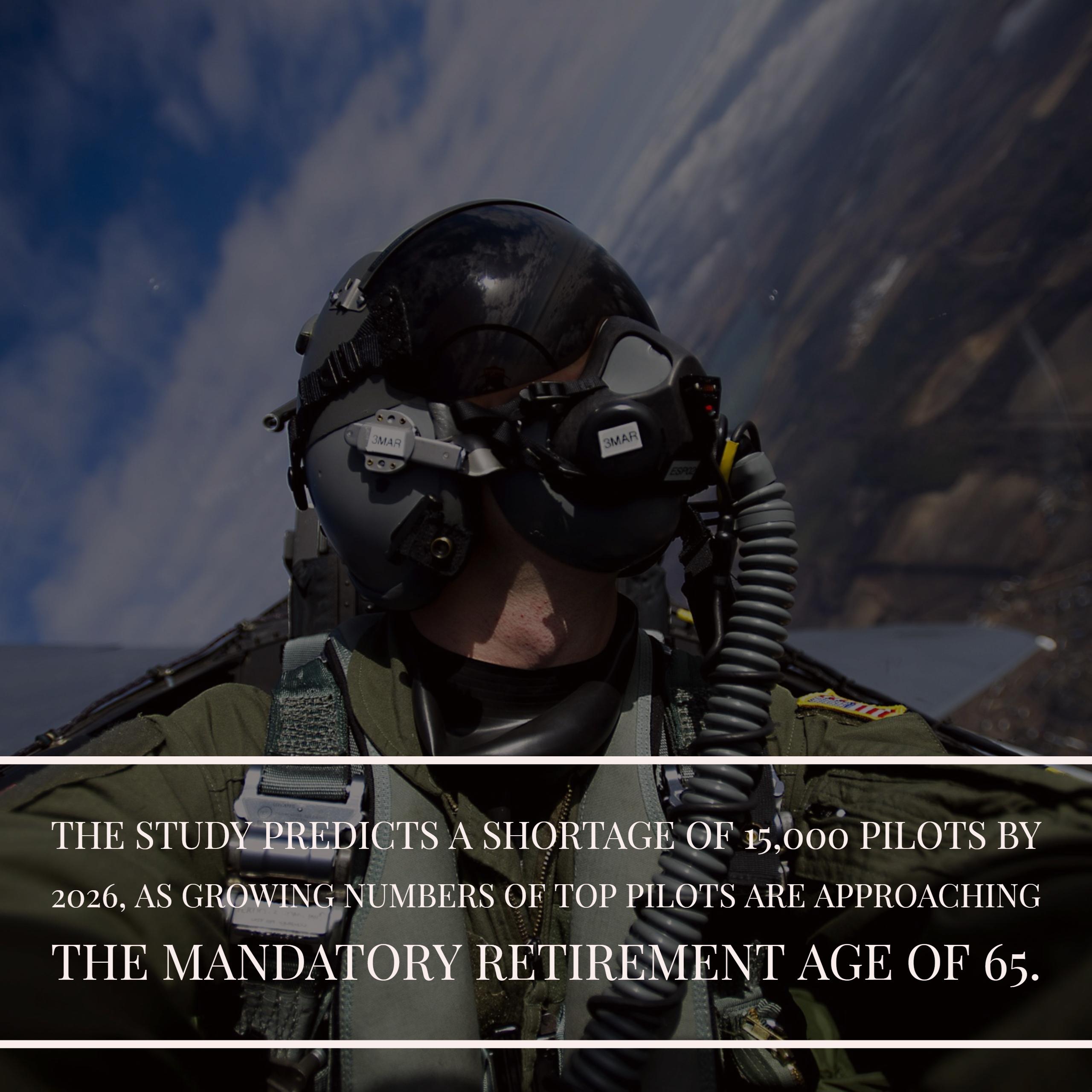
To complicate matters, the pilot shortage is poised to get worse, not better. A study published by the University of North Dakota’s Aviation Department says the impending pilot deficit also faces another blow: an aging crop of current senior pilots. The study predicts a shortage of 15,000 pilots by 2026, as growing numbers of top pilots are approaching the mandatory retirement age of 65. Because there are not enough up-and-coming pilots to replace them, the study’s authors say airlines face a serious dilemma.

Airlines have also been hurt by consolidations and bankruptcies – especially among regional airlines. With fewer jobs available for pilots just starting out, it is difficult for would-be pilots to get the hours and training they need to fly for larger airlines.

New York Aviation Accident Law Firm

If you or a loved one has been injured in an aviation accident, or you have lost someone in an airline crash, you need the help and support of an experienced New York aviation accident lawyer. These are complex cases. Work with a lawyer known for handling airline accident cases for clients throughout the United States and abroad.

Call Jonathan C. Reiter Law Firm, PLLC to discuss your case with an experienced New York airline accident lawyer today. Call 866-324-9211.


Jonathan C. Reiter Law Firm, PLLC

The Empire State Building

350 5th Avenue #6400

New York, NY 10118

T: (212) 736-0979

Facebook

The post Why Does the U.S. Have an Airline Pilot Shortage? appeared first on Injury Accident News.


from Injury Accident News

Wednesday, October 12, 2016

Road Trash Responsible for 200,000 Crashes

Individuals injured in road debris crashes may have a cause of action against the driver and, in cases where the driver was working for a freight company, the carrier who owns the truck or manages the truck operator.  

Road Trash Responsible for 200,000 CrashesDrive down any highway, and you’re likely to see some form of road debris, whether it’s a piece of tire tread or the remains of a fast food meal. On some occasions, you may even encounter a large and potentially deadly hazard, such as a piece of furniture or a load of equipment or building materials that has fallen from the back of a semi trailer.

Although most local police and state highway patrol officers try to remove road trash and debris as quickly as possible, a new report says road trash causes more accidents than most people realize.

If you or a loved one has been involved in an auto crash caused by road debris, you have important legal rights. Protect them by speaking to a New York auto accident lawyer. You may be entitled to compensation, including money for your medical bills, lost wages, and pain and suffering.

Road Debris Can Cause Deadly Crashes

According to a report released in 2016 by the AAA Foundation for Traffic Safety, road debris has caused over 200,000 auto accidents within the past four years. The study, which examined crashes between 2011 and 2014, found that road debris caused 39,000 injuries and 500 deaths in that time period.

The study also analyzed how these accidents occur.

  • In 37 percent of fatal crashes, accidents occurred because a driver swerved to avoid hitting trash or debris in the road.
  • One in three crashes occurred between 10:00 a.m. and 3:59 p.m., when people are more likely to be moving freight, furniture, or construction equipment on the highway.
  • These types of crashes happen more often on interstates.
  • Driving at a high rate of speed increases the risk of cargo or items falling from a vehicle and onto the road.

Every state in the country has a law prohibiting unsecured loads in and on vehicles. On the highway, where cars travel at comparatively high speeds, even a small piece of equipment or furniture falling from a vehicle can cause serious and fatal accidents. Individuals injured in road debris crashes may have a cause of action against the driver and, in cases where the driver was working for a freight company, the carrier who owns the truck or manages the truck operator.  

New York Catastrophic Personal Injury Law Firm

Road debris isn’t just a problem of esthetics. Trash and debris in the road can cost lives. Motorists who transport cargo, equipment, or furniture have a responsibility to make sure their items are properly secured. They should use netting, straps, tie-downs, or tarps to ensure their cargo won’t shake loose or spill from the vehicle during transport. Motorists must also take care not to overload their vehicles.

If you have been hurt in an auto collision caused by debris or trash in the road, you may be eligible to receive compensation for your injuries. Don’t hesitate to contact an experienced auto accident and personal injury lawyer about your case. Call Jonathan C. Reiter Law Firm, PLLC to discuss your case with an experienced New York auto accident lawyer today. Call 866-324-9211.


Jonathan C. Reiter Law Firm, PLLC

The Empire State Building

350 5th Avenue #6400

New York, NY 10118

T: (212) 736-0979

Facebook

The post Road Trash Responsible for 200,000 Crashes appeared first on Injury Accident News.


from Injury Accident News

Friday, September 16, 2016

Update: Takata Airbag Recall – Jonathan C. Reiter Mass Disaster Attorney Offers Insight

If you or a loved one has been injured by a defective airbag call the New York mass transportation accident lawyer Jonathan C. Reiter for a free case evaluation

update-takata-airbag-recall-jonathan-c-reiter-mass-disaster-attorney-offers-insightIf you drive in the U.S. today, you can’t afford to get behind the wheel of any vehicle without knowing about the Takata airbag recall. By far the largest auto recall in American history, the recall encompasses 40 million vehicles in the U.S. and more than 100 million worldwide. In the United States, it spans 14 automakers and includes both domestic and foreign cars and trucks. The recall also applies to both driver-side and passenger-side airbags.

The National Highway Traffic Safety Administration (NHTSA) has called it the “most complex” auto recall ever. No matter what kind of car you drive, it’s important to make sure your vehicle is safe. If you have a defective Takata airbag, you can get it replaced at no charge. Taking action could save your life or the life of a loved one.

Why Are the Takata Airbags Defective?

The first wave of Takata airbag recalls began in April 2013. Over the past few years, several more waves have been issued.

The problem with the airbags, which were installed in cars manufactured between 2002 and 2015, is the metal cartridge that holds the airbag’s propellant wafers and acts as the airbag’s inflater. In some crashes, these defective inflaters explode, sending metal shrapnel and other debris flying through the vehicle at high speeds. The faulty inflaters also sometimes cause the airbag to inflate improperly, rendering it ineffective in a crash. As of July 2016, there have been 10 confirmed deaths and over 100 injuries caused by Takata airbags.

Multiple sources say Takata knew about the defective airbags all the way back in 2004, but failed to take any action and neglected to notify the NHTSA that it’s faulty airbags were linked to fatal accidents and injuries. Another report says Takata allowed a defect rate six to eight times higher than the acceptable rate. To put this into perspective, Takata allowed 60 to 80 defective airbags per 1 million to leave its factory.

How Many Defective Airbags Have Been Repaired?

According to the NHTSA, more than 10 million defective Takata airbags have been repaired as of August 12, 2016, including over 5 million driver-side airbags and more than 4 million passenger-side airbags. The NHTSA also says that Honda Acuras manufactured between 2001 and 2003 have a high risk of ruptures.

The Takata airbag recall continues to grow, so it’s important to continue checking to see if your vehicle has been recalled. To find out if your car is on the recall list, go to safercar.gov and enter your vehicle’s VIN number. The safercar.gov website covers all recalls issued within the last 15 years.

New York Mass Transportation Accident Lawyer

Recalls of this magnitude are fortunately rare. When they occur, however, they are a sobering reminder that, no matter how many safety checks we put on auto manufacturers, defective vehicles and vehicle components can still enter the stream of commerce.

If you or a loved one has been injured in a motor vehicle collision, or you have lost a loved one in a crash caused by a defective vehicle or part, call New York mass transportation accident lawyer Jonathan C. Reiter for a free case evaluation. 646-863-8172.


Jonathan C. Reiter Law Firm, PLLC

The Empire State Building

350 5th Avenue #6400

New York, NY 10118

T: (212) 736-0979

Facebook

The post Update: Takata Airbag Recall – Jonathan C. Reiter Mass Disaster Attorney Offers Insight appeared first on Injury Accident News.


from Injury Accident News

Thursday, September 8, 2016

California Enacts New Safety Rules for Charter Buses

New York bus and transportation accident lawyer says California Enacts New Safety Rules for Charter Buses

california-enacts-new-safety-rules-for-charter-busesWhether you’re a frequent flyer or just an occasional air passenger, you are probably familiar with the safety announcements that take place prior to any flight. In most cases, flight attendants stand at various places in the cabin and give passengers a comprehensive safety briefing about what to do in a variety of emergency situations. This information may seem routine, but it can save your life in a crash.

But how often do charter buses instruct their passengers on safety procedures? Probably not too often, because there are no federal laws requiring them to do so. As reported by the Washington Post, motorcoaches – which are also called charter buses – are not as regulated as airplanes. Bus drivers are not required to give passengers safety briefings, nor do they have to instruct passengers on evacuation procedures. There are also no federal regulations requiring motorcoaches to have fireproofing or data recorders – two safety precautions found on all domestic aircraft and the majority of airplanes abroad.

Tragically, the push for these safety measures usually only comes after a disaster resulting in a major loss of life. In 2014, the National Transportation Safety Board (NTSB) urged the National Highway Traffic Safety Administration (NHTSA) to create stricter safety regulations for motorcoach and charter bus companies.

The NTSB recommendations came amid the agency’s investigation of a horrific California bus crash that killed 10 people, including five high school students who were on a trip to visit colleges. The crash occurred when a FedEx tractor-trailer crossed the median and first struck a car, then the motorcoach head-on. Diesel fuel from the semi-truck poured into the bus cabin, igniting in a fiery blast that immediately engulfed the bus. The majority of the fatalities were caused by smoke inhalation.

California’s New Motorcoach Safety Regulations

Although the NHTSA has yet to take action to increase charter bus safety, California lawmakers have approved new rules for all charter bus companies operating in the state. According to the Los Angeles Times, the new rules require all motorcoaches manufactured after July 1, 2020 and equipped to carry 39 or more passengers to have emergency lighting installed. The rules also require mandatory passenger safety briefings prior to any trip.

The proposed legislation would have also required motorcoaches to have a second exit door, however, that portion of the proposed bill was dropped when representatives of the motorcoach industry claimed it would be too expensive to implement.

Sadly, the 2014 charter bus accident is by no means an isolated incident. In May 2016, a charter bus crash resulted in eight deaths and dozens of injuries. According to NBC News, the crash occurred late in the evening, during a period of rain. The bus driver lost control of the bus, causing it to roll over.      

New York Bus Accident Lawyer

If you or a loved one has been injured in a charter bus accident, or you have lost a loved one in this type of accident, call New York bus and transportation accident lawyer Jonathan C. Reiter for a free case evaluation.


Jonathan C. Reiter Law Firm, PLLC

Jonathan C. Reiter Law Firm, PLLC

The Empire State Building

350 5th Avenue #6400

New York, NY 10118

T: (212) 736-0979

Facebook

Source: Jonathan C. Reiter Law Firm, PLLC

The post California Enacts New Safety Rules for Charter Buses appeared first on Injury Accident News.


from Injury Accident News

Wednesday, September 7, 2016

What Causes Aviation Accidents?

New York Aviation Accidents Lawyer Explains the Big Picture!

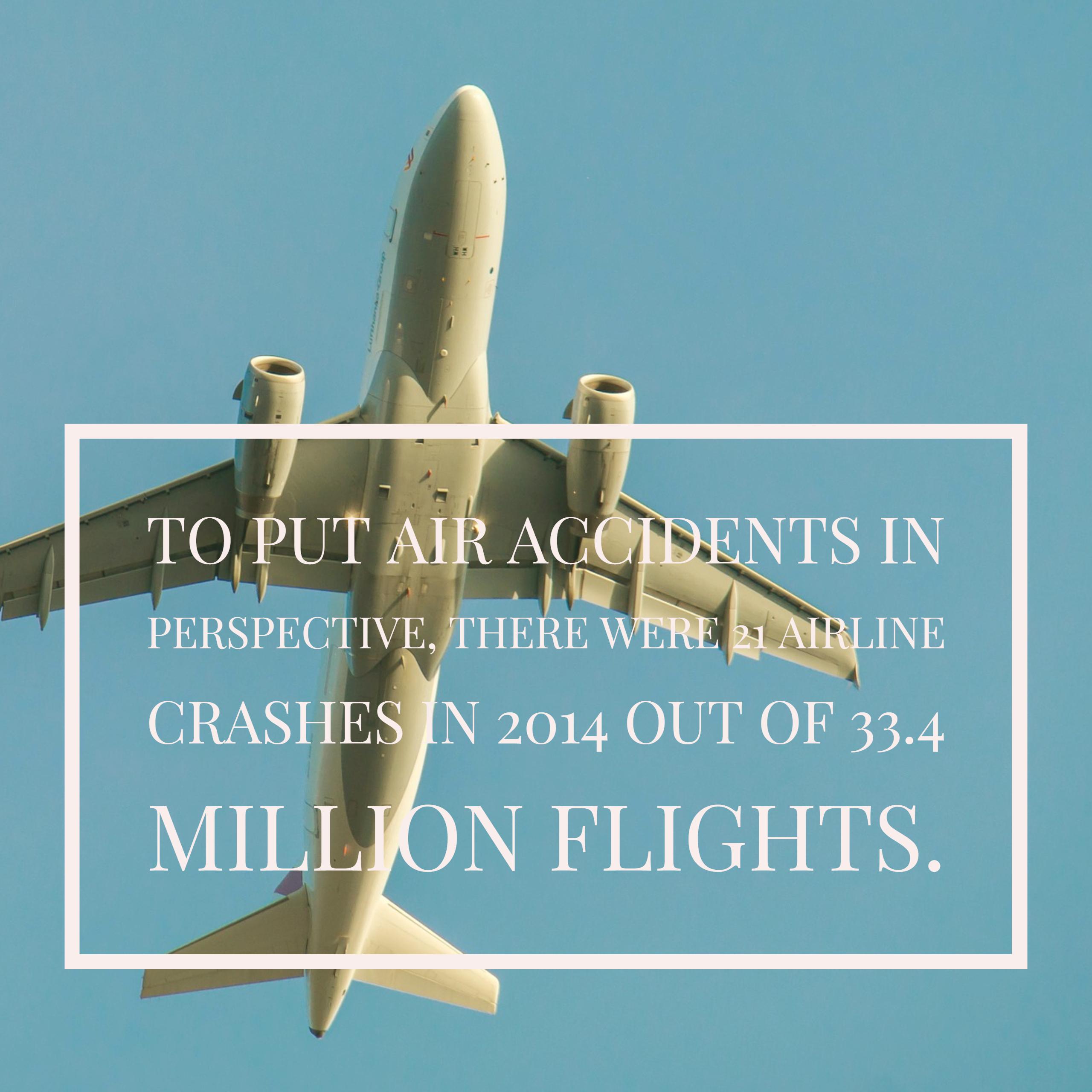
what-causes-aviation-accidentsAviation disasters are fortunately rare, but they are horrifying and often fatal when they do happen. They also make headlines around the world, which can cause even frequent flyers to think twice about taking to the skies. To put air accidents in perspective, there were 21 airline crashes in 2014 out of  33.4 million flights.

A big part of understanding the risks of flying is understanding why and how accidents happen.

Human Error

No matter how technologically advanced the airplane, every flight is vulnerable to the possibility of human error. In fact, human error accounts for 80 percent of all airline accidents, both fatal and non-fatal. Furthermore, it’s not just a pilot’s negligence that can cause an aviation accident. Crashes can happen due to a mechanic’s error, negligence on the part of the ground crew, or miscommunication in the tower.

Flights in Developing Countries

Air travel is also much riskier in developing nations. The chance of a fatal accident is 1 in 19.8 million for passengers flying in the developed world. This ratio plummets to 1 in 2 million in nations with poor safety records. The majority of airlines with dismal safety ratings are located in Africa, the ex-Soviet nations, and countries in Southeast Asia. For example, Indonesia’s aviation death rate is 25 times higher than that of U.S.-based airlines.

Regional and Commuter Airlines

There is also a considerable gap in safety rankings between major air carriers and small regional and commuter airlines. Budget airlines tends to pay their pilots less on average, which means their pilots tend to have less experience and fewer hours in the cockpit compared to pilots for large commercial airlines. For example, between 2003 and 2009, commuter flights had crash rates 10 times higher than rates for the major U.S. airlines.

Flight Safety Features

Over the past 70 years, airlines have added numerous safety features designed to reduce crashes. Most people have heard of the “black box” used to record conversations in the cockpit, as well as instrument readings. These devices were pioneered in the 1950s and are now standard in all aircraft.

The FAA also began requiring ground proximity warning systems in the 1970s, followed by collision avoidance technology in the early 1980s. This technology expanded to automated avoidance systems in the mid-2000s. Today, aircraft can automatically navigate away from solid obstacles, such as trees, buildings, and other aircraft.  

New York Aviation Accidents Lawyer

If you or a loved one has been injured in an aviation crash, or you have lost a loved one in an aviation accident, call New York aviation accident lawyer Jonathan C. Reiter for a free case evaluation. (212) 736-0979


Jonathan C. Reiter Law Firm, PLLC

The Empire State Building

350 5th Avenue #6400

New York, NY 10118

T: (212) 736-0979

Facebook

The post What Causes Aviation Accidents? appeared first on Injury Accident News.


from Injury Accident News
Wednesday, July 20, 2016

Air Turbulence Can Cause Serious Injuries

Air Turbulence Can Cause Serious InjuriesWhen most people think about aviation injuries and fatalities, they think of airline crashes. Admittedly, catastrophic crashes usually get the most media coverage. Fortunately, disastrous aviation crashes are relatively rare. On the whole, air travel is indeed the safest way to get from one place to another. Just because a plane doesn’t crash, however, doesn’t mean passengers can’t get seriously injured. Air turbulence is much more common than catastrophic crashes, but it can still cause catastrophic injuries. In fact, air turbulence is the most common cause of injury to airline passengers.

Earlier this summer, an Etihad Airways flight traveling from Abu Dhabi to Jakarta experienced air turbulence so severe, over 30 passengers were injured and nine were so badly injured they had to be transported directly from the runway to the hospital.

You can visit BBC News to read more about this air turbulence accident.

In June 2016, dozens of passengers on a Malaysian Airlines flight traveling from London to Kuala Lumpur were injured due to severe turbulence. As reported by the Telegraph, passengers posted photos showing overturned food carts, spilled food, and scattered luggage – all the aftermath of the flight’s path through rough skies over the Bay of Bengal.   

In December 2015, an Air Canada flight also experienced violent air turbulence that reportedly caused some passengers to be thrown as high as the plane’s ceiling.

Types of Air Turbulence Injuries

Air turbulence injuries can occur in a variety of ways. Unsecured equipment, such as rolling food carts, is a major source of passenger and flight attendant injuries. Falling luggage is also a problem, with some estimates placing falling luggage-related injuries at 4,500 incidents per year. Passengers can also get injured while walking around the cabin or using the lavatory when turbulence strikes. Unfortunately, because turbulence is often unpredictable, passengers can get caught in a bumpy ride with little or no warning. In the cramped interior of an airline cabin, injuries can occur before a passenger has an opportunity to return to his or her seat.  

Although fatal air turbulence injuries are rare, passengers can and do get seriously hurt during flights every year. Severe injuries include broken ribs, head and spine injuries, broken ankles, and internal injuries. Passengers can also experience secondary injuries caused by physiological reactions to turbulence, such as high blood pressure caused by the fear and anxiety associated with a violent flight.  

Who Is Responsible for Air Turbulence Injuries?

In many cases, the airline is liable for passenger injuries caused by air turbulence. Although pilots generally can’t detect turbulence on radar, they usually receive warning about impending turbulence from a variety of sources, including other pilots, air traffic controllers, and the Federal Aviation Administration.

The airline is also liable for injuries caused by the negligence of flight attendants. For example, an airline might be responsible in cases where a flight attendant failed to properly secure luggage, or in a situation where a flight attendant left a beverage or food cart in an aisle.

In other cases, passengers can file a lawsuit against the manufacturer of equipment within the aircraft or the manufacture of the aircraft itself. For example, a defective latch on an overhead storage compartment could cause luggage to fall, resulting in passenger injuries.

Each air turbulence case is different, and a passenger may need to file a lawsuit against more than one party or entity to ensure he or she receives full and fair compensation.

New York Aviation Accident Lawyer

Attorney Jonathan C. Reiter is an experienced aviation accident lawyer who devotes a significant portion of his practice to helping air disaster victims and their families obtain compensation for injuries and deaths caused by negligence in the aviation industry. He has a long track record of success in the area of aviation accidents representation.

If you or a loved one has been injured in an aviation accident, you need the help of an experienced air disaster and injury lawyer.
Call 866-324-9211  today for a free case evaluation.

The post Air Turbulence Can Cause Serious Injuries appeared first on Injury Accident News.


from Injury Accident News

Wednesday, June 29, 2016

Does NY Law Put Caps on Damages in Medical Malpractice Cases?

Does NY Law Put Caps on Damages in Medical Malpractice CasesIn some states, legislation limits the amount of money a plaintiff can receive in a medical malpractice case. This is often a shock to people who have been injured in a hospital or at the hands of a physician or other medical professional.

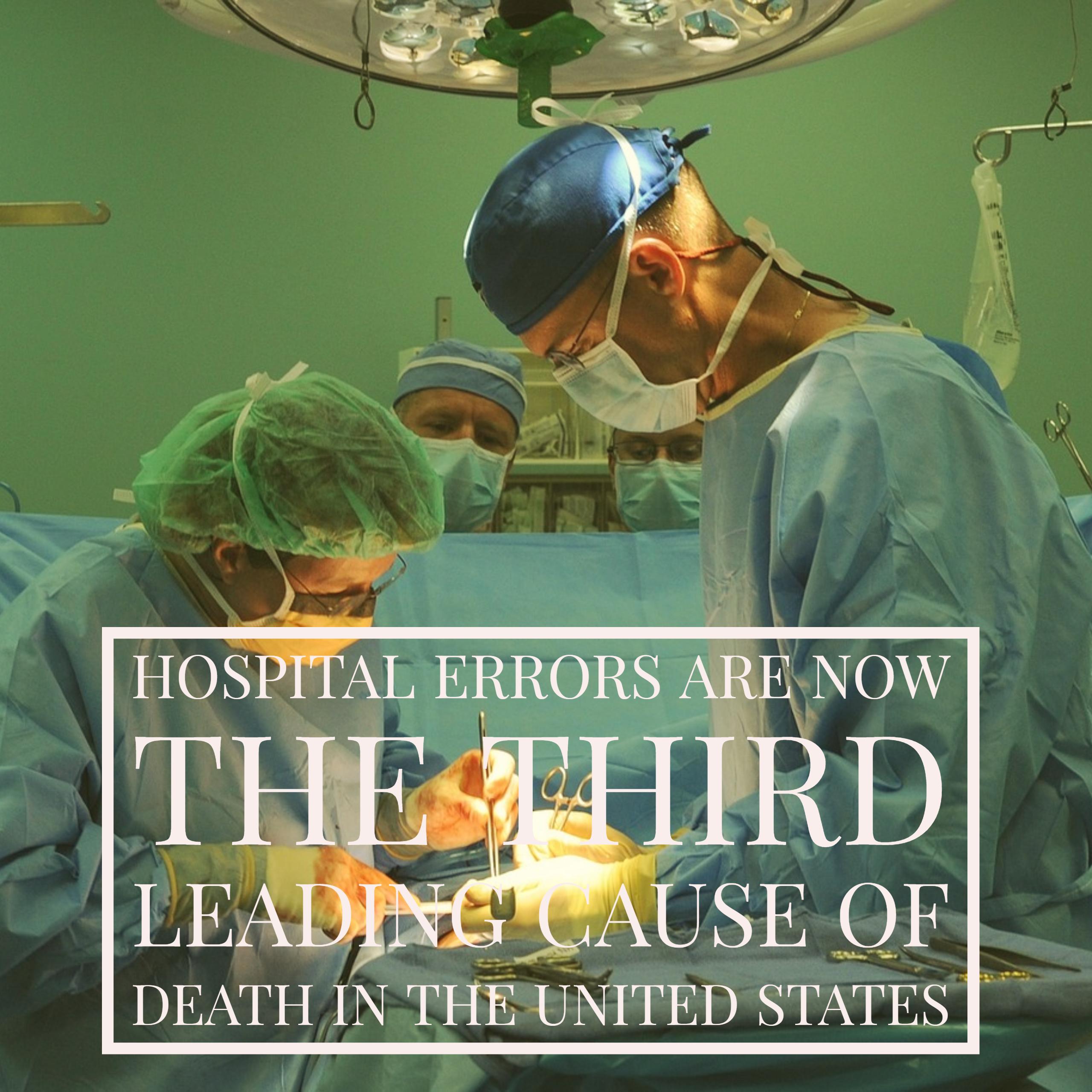
When you consider that hospital errors are now the third leading cause of death in the United States – causing 251,000 deaths and thousands more injuries annually – knowing your compensation could be cut off at the knees is a tough pill to swallow.

New York does not place arbitrary caps on damage awards in medical negligence cases.

This does not mean, however, that juries are allowed to award unreasonable amounts of compensation. If you have been injured by a doctor, or you believe you received negligent care in a hospital or other health care facility, contact New York medical malpractice lawyer Jonathan C. Reiter. Time is of the essence in these cases, as the law limits the amount of time in which you have to file a claim.

The Chilling Effect of Med Mal Damages Caps

In recent years, personal injury and medical malpractice damages caps have been a favorite topic of so-called “tort reformers” in many states across the country.

The idea behind limiting the amount of money a plaintiff can receive is that it lowers the cost of health care for everyone. Proponents also claim damages caps reduce the number of frivolous lawsuits, which drain judicial resources and make it more difficult for plaintiffs with legitimate cases to get access to the court system.

A number of states with this type of legislation put caps on non-economic damages, which include damages for things like pain and suffering – costs that can be difficult to quantify.

However, these laws haven’t gone unchallenged. According to the American Bar Association, a number of states have seen their tort reform laws attacked as unconstitutional.  

Although many of these states’ lawmakers have good intentions, the reforms they have passed often create an unfair result for people who have been catastrophically injured. A recent Kansas case is a tragic example of how medical malpractice damages caps can leave a grieving family feeling victimized twice.

According to a KCTV News report, a Missouri mother was devastated to learn that the $2.5 million in damages she received from a Kansas City jury would be reduced to just $350,000. The mother lost her unborn child at 36 weeks’ gestation when an emergency room doctor failed to diagnose an internal hematoma; instead, the doctor sent her home with pain medication. The jury found the doctor liable for the baby’s death.

Prior to deliberation in the case, jurors were not told of a Kansas law that caps medical malpractice damages at $700,000 as of 2015. Because a prior version of the law capped damages at just $350,000 – a law that was in place when the doctor’s negligence occurred – the mother may receive just $350,000 if the judge rules that her case should be governed under the previous statute.

No Arbitrary Caps on Damages in New York Medical Malpractice Cases

According to New York medical malpractice attorney, Jonathan C. Reiter, New York law does not arbitrarily cap damages in medical negligence cases.

“In New York, there are no arbitrary caps on damage awards in medical malpractice cases,” he said.

Reiter notes, however, that New York does have necessary and effective checks and balances against unreasonable damages.

“Both the trial level courts and appellate courts have authority to reduce jury verdicts that they feel exceed fair compensation, and this is an appropriate and highly effective way to guard against unjustly high awards,” he said.

He added that New York courts also have the ability to give a plaintiff additional compensation when a jury does not fully compensate a medical malpractice victim.

“Coincidentally,” he said, “the courts have authority to increase awards that are deemed inadequate in view of the actual damages sustained. The evil of damages ‘caps’ is that they arbitrarily penalize those that sustain the most egregious and catastrophic injuries. The traditional goal of civil damages is to make the injured party ‘whole’ to the extent possible. Arbitrary caps on damages prevent the most seriously injured victims of medical malpractice from ever being made ‘whole’ and impair the ability of courts and juries to provide true justice to our citizens.”

Call a New York Medical Malpractice Lawyer about Your Case

If you have been injured by a physician or hospital, call New York medical malpractice lawyer Jonathan C. Reiter for a free case evaluation.

The post Does NY Law Put Caps on Damages in Medical Malpractice Cases? appeared first on Injury Accident News.


from Injury Accident News